1. Quick call, clear plan
You tell the team what was found and where. It explains how the sweep will go and what access it needs.
Sayreville, NJ · Middlesex County
How do you get rid of used needles safely in Sayreville? Call (877) 812-4220 to talk through sharps collection, disposal containers and a final walk-through to check nothing was missed.
If anyone is in danger, call 911 first. For a suicide crisis, call or text 988.
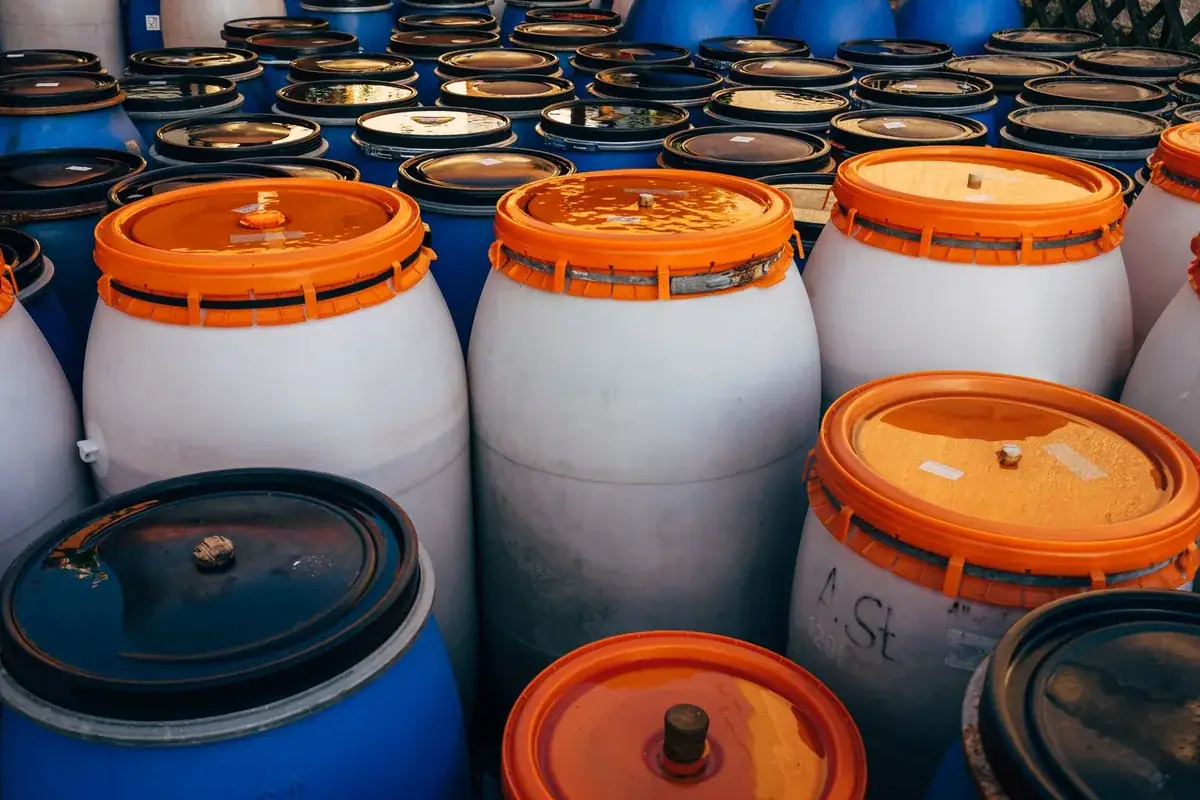
Needle and sharps cleanup is the safe search, collection and disposal of used needles, syringes, lancets and other sharp objects. Cleanup crews use tools instead of bare hands and seal each item in a puncture-resistant container.
You will not be judged when you call Sayreville Biohazard Cleanup Help about needles in Sayreville or Middlesex County. Crews focus on making the property safe and on disposing of sharps properly, following the rules for regulated medical waste.
The vacancy rate in Middlesex County is only about 3%, so most needle calls come from occupied homes, rentals, yards and businesses. After a needle stick, wash with soap and water and get medical care. Raritan Bay Medical Center in Perth Amboy is the closest emergency room to Sayreville.
The work often covers:
You tell the team what was found and where. It explains how the sweep will go and what access it needs.
Crews put on protective gear and search the whole area, including corners, drawers and under furniture.
Sharps go into labeled containers without being recapped, bent or picked up by hand.
After the last walk-through, the owner can reopen the area to tenants, customers or family.
The cost of needle & sharps cleanup in Sayreville, NJ depends on the amount of material, how it is packed and how it is hauled.
Access can raise or lower the price. Locked units, stairs, fences and long travel distances all play a part.
| Type of job | Typical range |
|---|
Estimates only, not a quote. Sources: . Price drivers include number of items, where they are found, whether a sweep of a large area is needed, waste disposal. Call (877) 812-4220 to talk through the job.
Some cities and counties collect found needles from public land at no charge, and many do not. Availability varies. The local health department or public works office can say what exists where you live, and a cleanup team can help with private property.
Yes. Dogs and cats may sniff, chew or step on sharps. Keep pets away from the area until a cleanup team has searched it. If a pet is stuck or swallowed something, call a veterinarian right away.
Loose needles should not go in household trash, because they can stab sanitation workers. Rules for small amounts of household sharps vary by city and county. The local health department can say what is allowed, and a cleanup team can take larger amounts.
Yes. A property owner can call a cleanup team to search a unit or building. Lease terms and local law decide who pays, and a landlord, an attorney or a tenant rights group can say. Ask the team for a record of what was found and removed.
A used needle can carry bloodborne pathogens such as hepatitis B, hepatitis C and HIV. The chance of infection from one stick depends on many things, and a doctor can explain what applies. Get medical care promptly after any stick or cut.
No. Crews focus on safety and cleanup, not on why the needles are there. The team asks only what it needs to plan the work, and you decide what else to share.
Describe what you saw and where, and the team will explain the next step.
Call (877) 812-4220